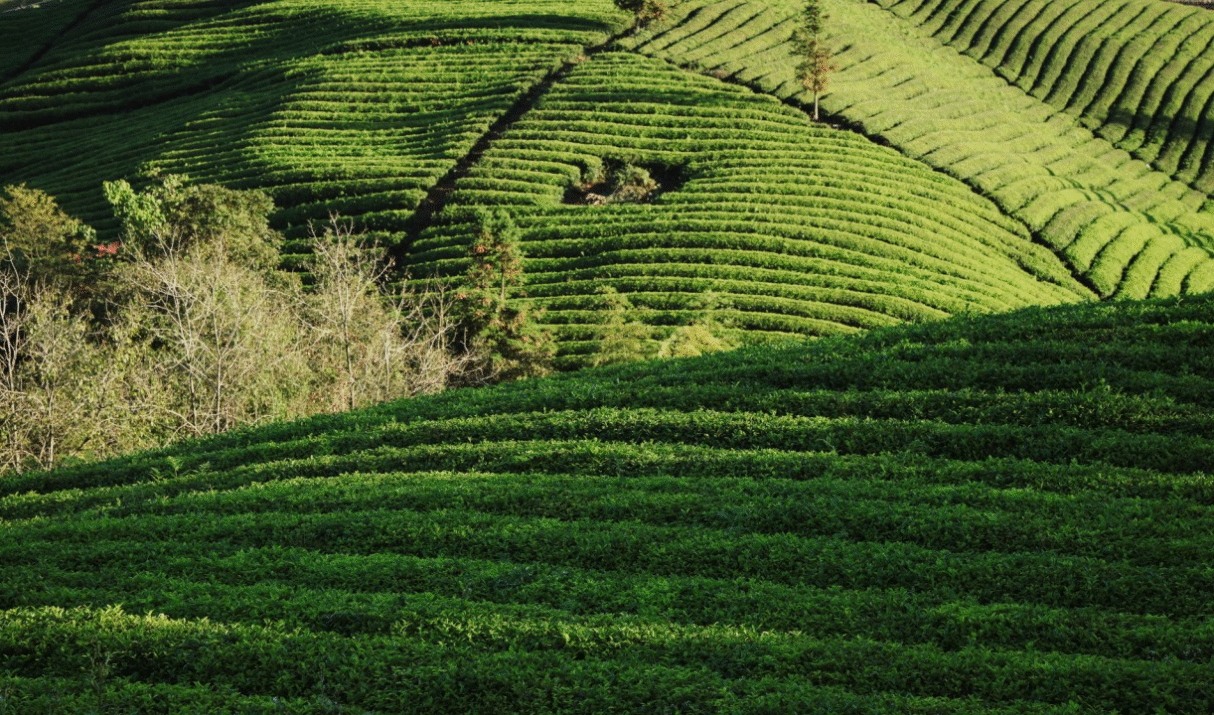

The matcha used to prepare your strawberry matcha latte is increasingly coming from China. In 2025, China became the world’s largest matcha producer and, for the first time, overtook Japan in matcha exports. Much of that momentum traces back to one mountainous province: Guizhou. China is now the top producer According to the 2026 China
Ever daydreamed about swapping your desk for a matcha tea field in the Japanese countryside? Here’s a real chance. d:matcha Kyoto, a family-run organic tea farm in the mountain village of Wazuka, has opened applications for its 2027 internship, and the deadline is close: September 30, 2026. About d:matcha and the program d:matcha Kyoto is
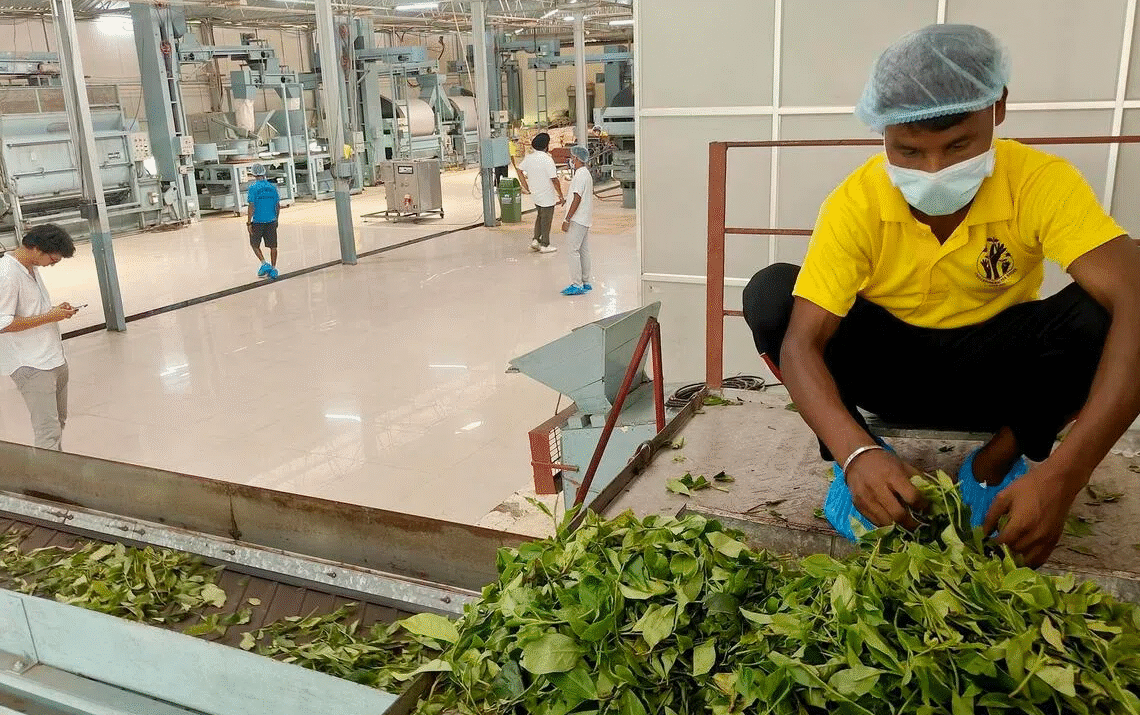
For years, “matcha” basically meant “Japan”, with China being now the largest producer and exporter. That’s a full stop. In mid-2026, a tea estate in Assam, India, sold the country’s first-ever commercial batch of matcha, made from a local plant and tuned to be smoother and less bitter than the Japanese original. India joins a

Matcha tea has taken over our local cafés, and is currently marketed as something that “can support our gut microbiome“. But this claim is often oversimplified. At ThessMatcha, we recently examined this in our published paper, exploring how matcha’s composition and quality influence its interaction with the gut microbiome (and whether matcha tea indeed promotes
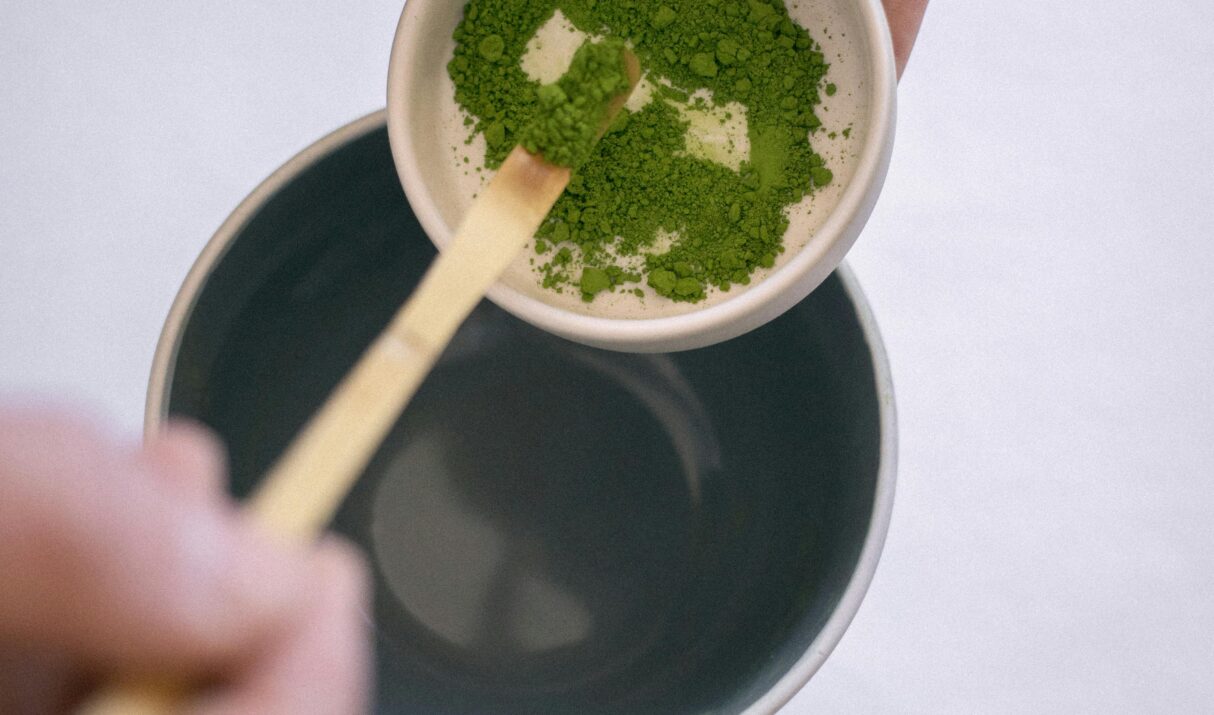
How is matcha grading defined? Most matcha drinkers have heard that ceremonial grade matcha is healthier than culinary grade. Culinary matcha is often described as bitter, astringent, and rough in mouthfeel. The umami taste is usually absent, and the color is far from the deep, vibrant green people expect. All these characteristics can make it
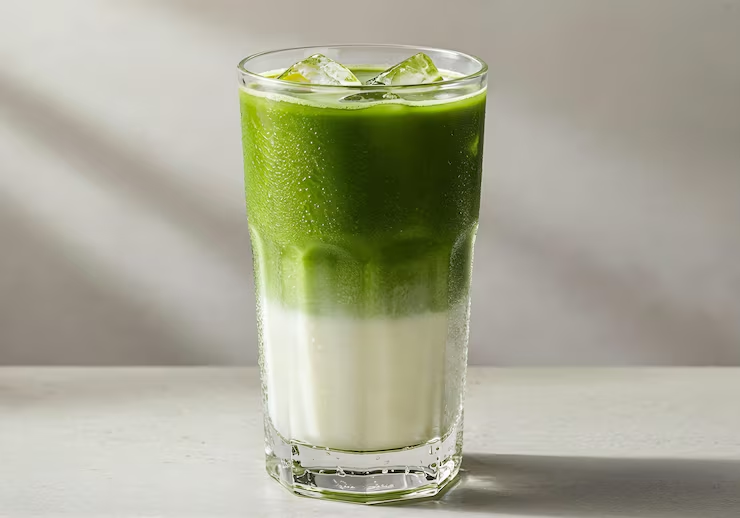
Tea is the second most consumed beverage in the world, after water. Some people drink it plain with hot water, while others prefer it with milk (like a matcha latte or milk tea). This has led to a very common question: Is milk tea better than plain tea, or does milk reduce tea’s health benefits?
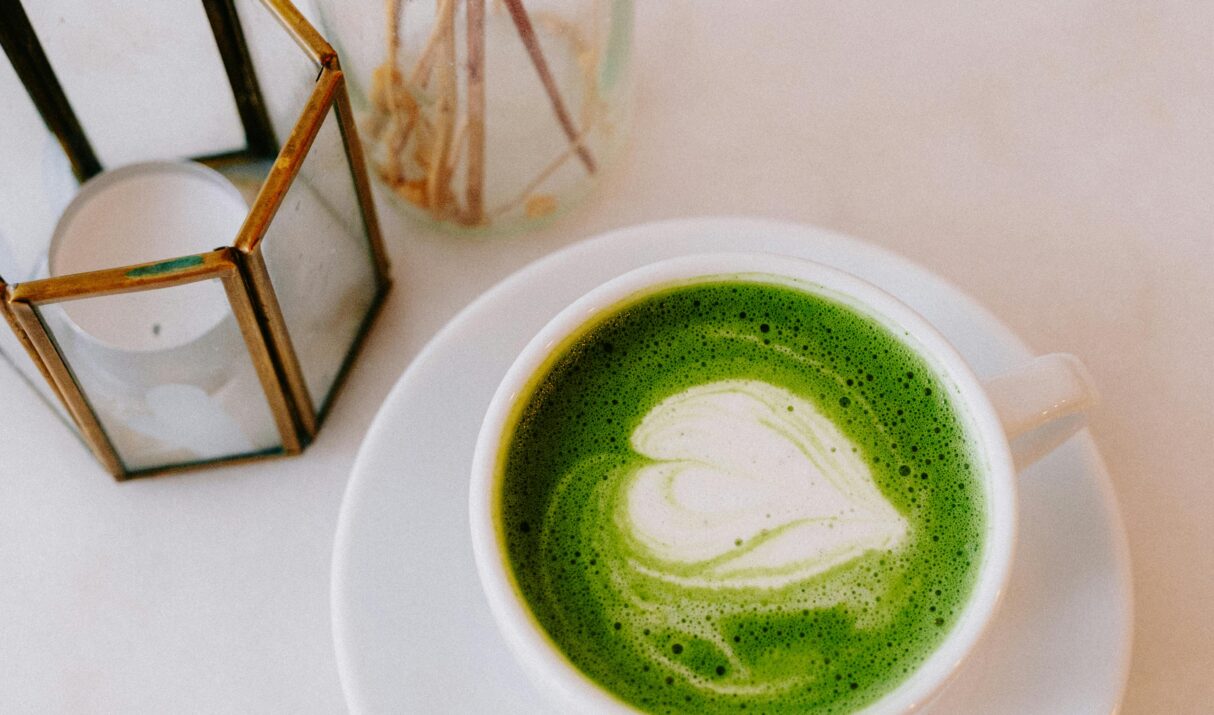
Most people assume matcha is supposed to taste bitter. It is not. Good matcha tea has natural sweetness, complexity, and an umami taste. When your matcha tastes bitter (bitterness dominates), something went wrong either long before the sip reached your mouth, or it’s your fault. In this guide, we break down the two factors that
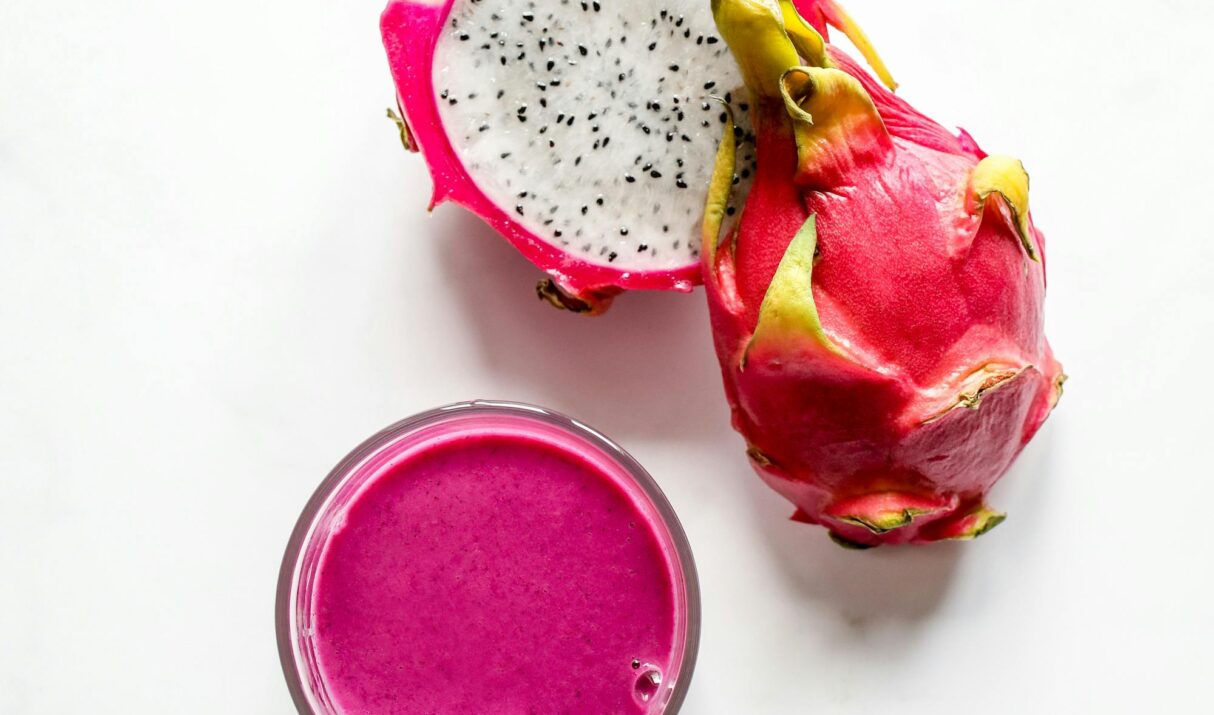
Pink matcha is rapidly becoming one of the most searched superfood powders in cafés, wellness spaces, and social media. Despite the name, pink matcha is not matcha tea. It is either a finely milled powder made from the flesh of red dragon fruit, also known as pitaya; or a freeze-dried extract version. The vivid color,
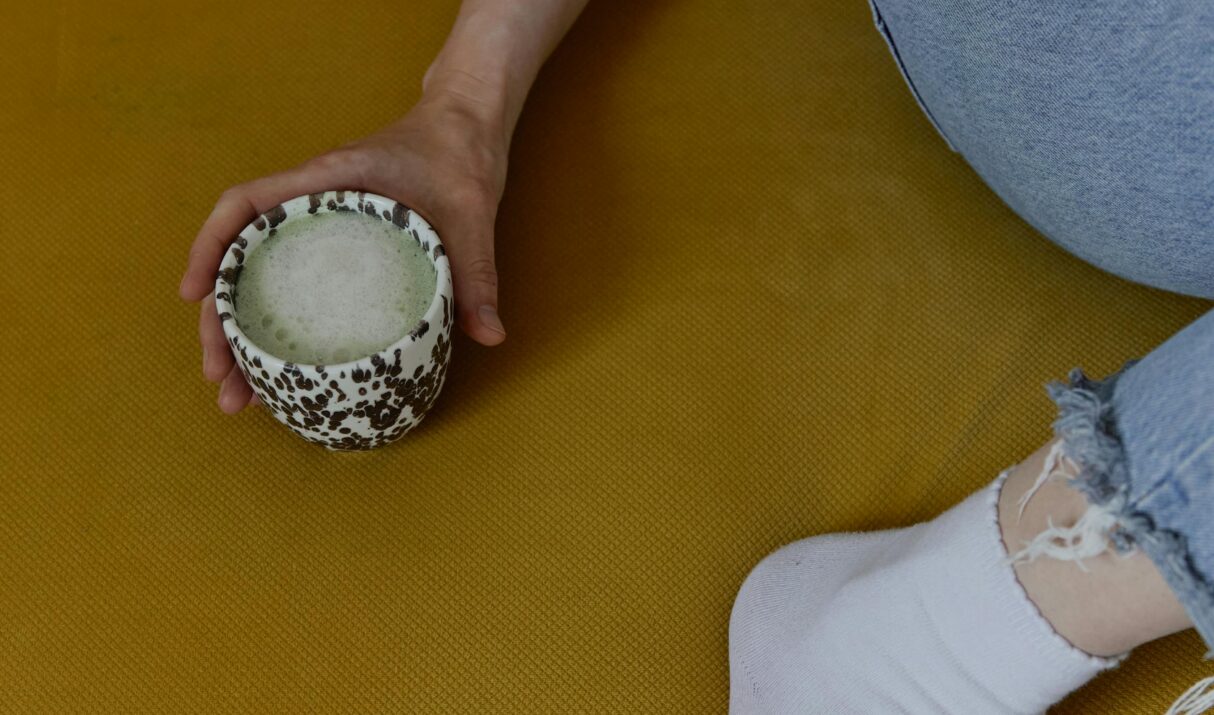
Matcha has a reputation for being “grassy” but this is a misunderstanding and usually a sign of poor-quality, low-grade, or improperly processed matcha.High-grade ceremonial matcha has a very different flavor + aroma profile, shaped by shading, grinding, and the chemistry of tea aroma molecules. Here’s what matcha smell and taste is supposed to be like