Pink Matcha: What It Is and What Makes It So Popular Right Now

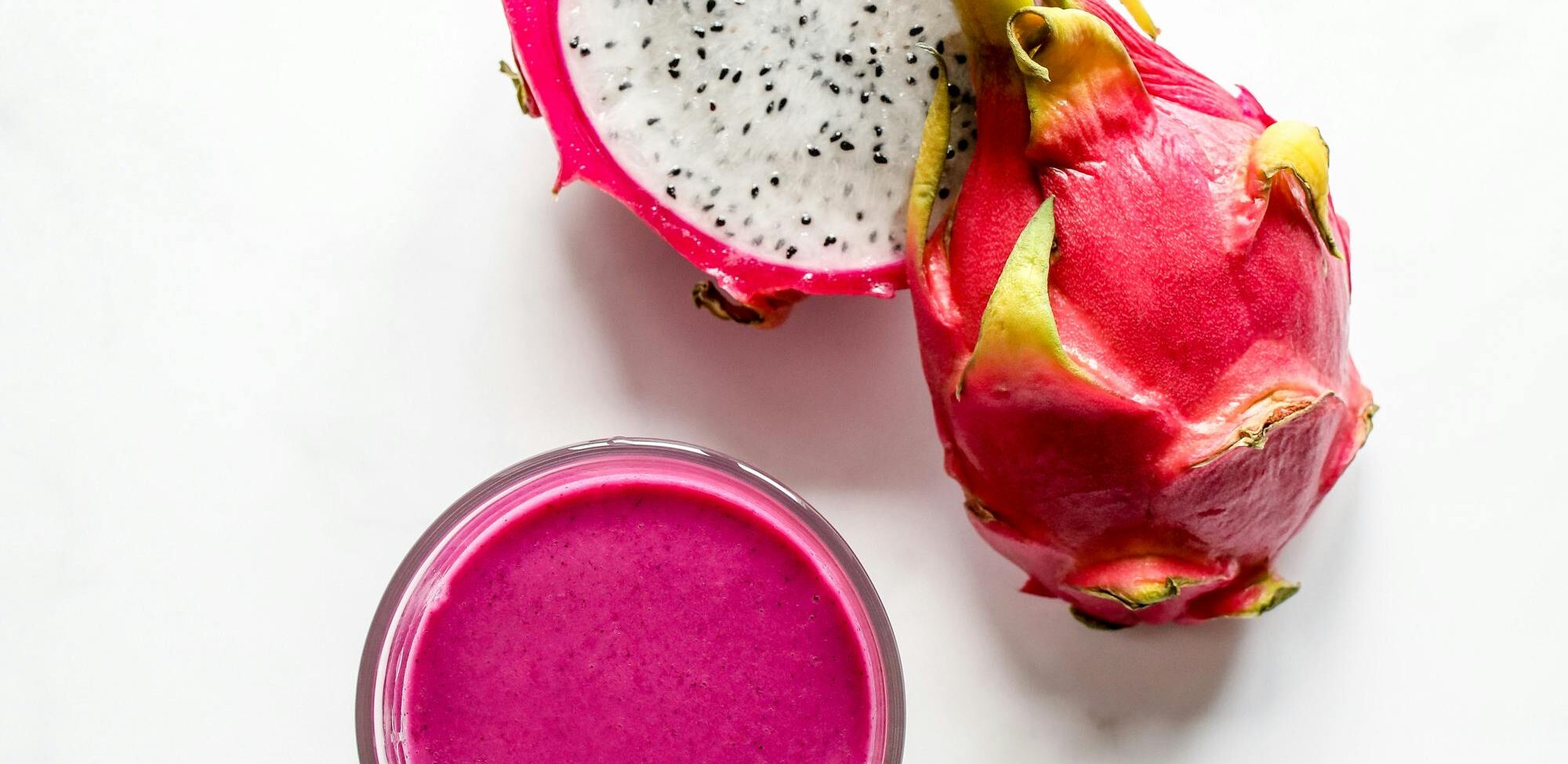
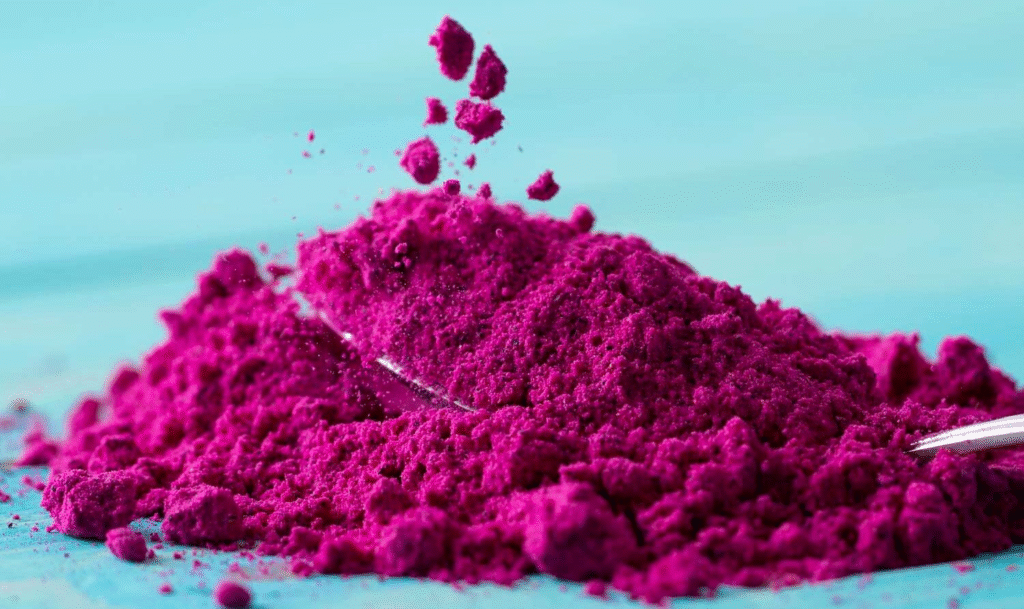
Pink matcha is rapidly becoming one of the most searched superfood powders in cafés, wellness spaces, and social media. Despite the name, pink matcha is not matcha tea. It is either a finely milled powder made from the flesh of red dragon fruit, also known as pitaya; or a freeze-dried extract version. The vivid color, natural sweetness, and strong antioxidant profile come from bioactive compounds unique to this fruit. These compounds have been characterized in scientific studies that examined the phytochemistry and therapeutic potential of Hylocereus polyrhizus.
What is the chemical composition of Pink Matcha?
Pink matcha is produced by drying and milling the flesh of red dragon fruit. Scientific profiling shows that it contains:
Betacyanins
• Natural pigments that create a bright pink-red color
• Strong antioxidant activity
Phenolic compounds
• Includes gallic acid, vanillic acid, syringic acid, protocatechuic acid, p hydroxybenzoic acid, p coumaric acid and caffeic acid
• Contribute to protection from oxidative stress
Vitamin C
• Present in noticeable amounts
• Supports antioxidant defense
Minerals
• Potassium
• Magnesium
• Calcium
Dietary fiber, glucose, fructose and oligosaccharides
• Support digestive function
• Contribute to balanced energy release
Main differences with Matcha tea:
| Feature | Green Matcha | Pink Matcha |
|---|---|---|
| Source | Leaves of Camellia sinensis L. | Red dragon fruit flesh |
| Main color compounds | Chlorophyll and carotenoids | Betacyanins |
| Taste | Umami with grassy aromatic notes | Mild, fruity, sweet tart |
| Caffeine | Present | Absent |
| Use | Matcha tea, energy drinks, food and beverage mixes | Smoothies, yogurt bowls, natural colorant, caffeine free lattes |
Health Benefits of Pink Matcha
Antioxidant support
• Contains betacyanins and phenolic acids
• Offers protection from oxidative stress
Metabolic support
• Helps support healthier lipid balance
• Assists in maintaining normal insulin response
Vitamin rich profile
• Provides vitamin C
• Also contains vitamin E compounds
Digestive support
• Natural fiber and oligosaccharides assist gut function
A caffeine free colorful option
• Suitable for people who want aesthetic drinks without stimulants
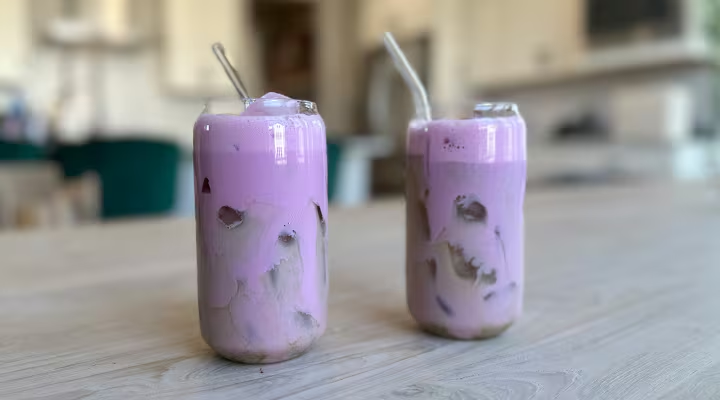
How to prepare a Pink Matcha latte
Pink matcha mixes easily with both water and milk, and you can make it warm or cold. The color stays bright either way because the pigments in red dragon fruit remain stable at typical drink temperatures. Just keep the liquid below eighty degrees Celsius for best appearance and flavor.
Ingridients
• One teaspoon pink matcha powder
• One cup milk or plant milk
• Sweetener if you want it
Steps
• Add the pink matcha powder to your cup
• Pour in a small splash of water or milk and stir until it becomes smooth
• Add the rest of your warm or cold milk
• Mix gently and serve
Note!
Warm drinks look best when the temperature stays below eighty degrees Celsius. Higher temperatures can slightly shift the shade, but the color remains stable and bright in both warm and iced versions.
Safety Concerns
Red dragon fruit extracts (pitaya) have been tested for safety and show no toxicity even at very high intake levels. It is suitable for use in functional foods, beverages and wellness products.
Sources: https://doi.org/10.1016/j.foodchem.2021.129426 , https://doi.org/10.1111/jfbc.13260
Athanasios Gerasopoulos│ Chemist BSc., MSc. │ Tea Specialist│ Founder of Thessmatcha R&D