Why Your Matcha Tastes Bitter and How to Fix It

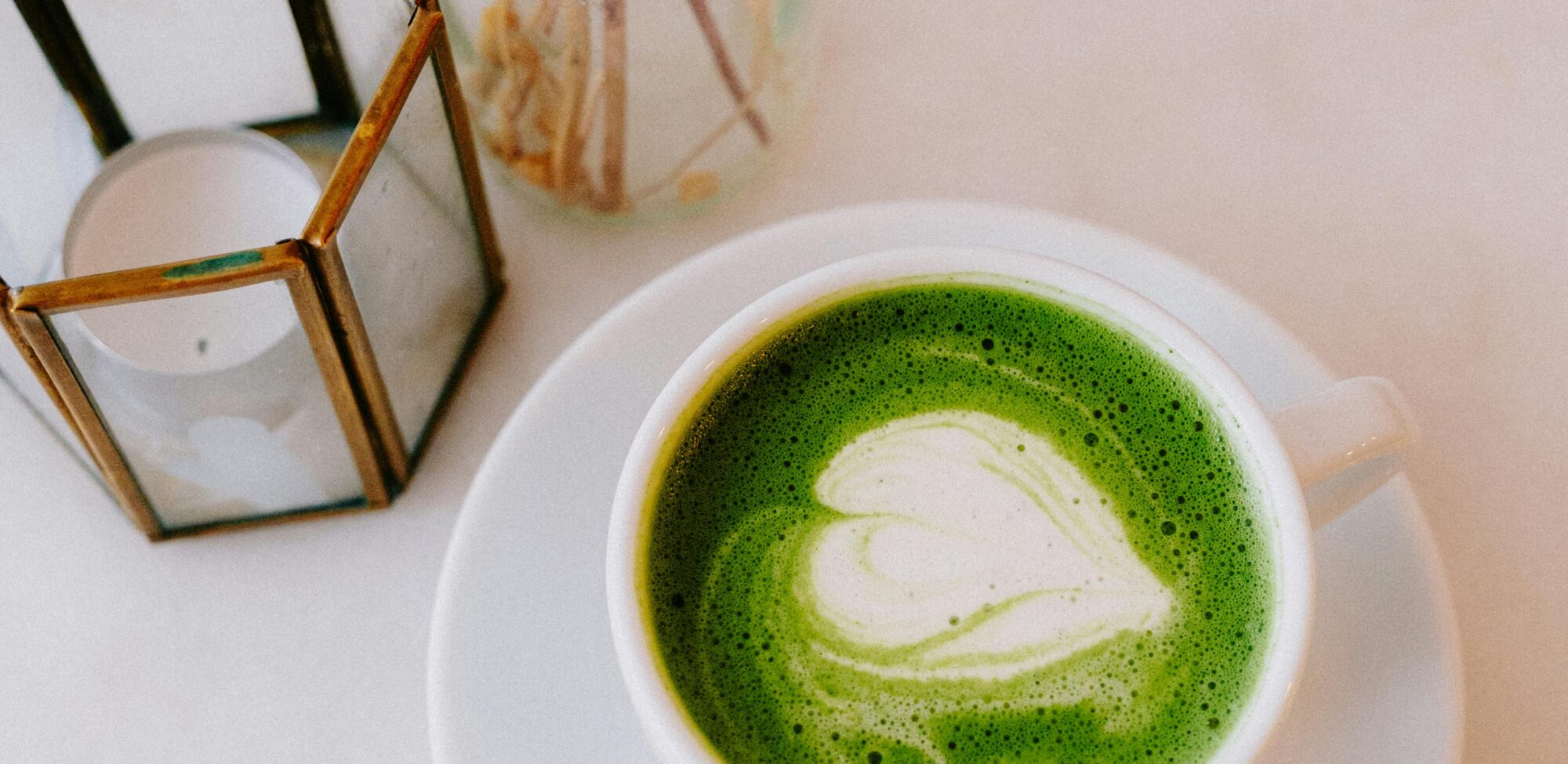
Most people assume matcha is supposed to taste bitter. It is not. Good matcha tea has natural sweetness, complexity, and an umami taste. When your matcha tastes bitter (bitterness dominates), something went wrong either long before the sip reached your mouth, or it’s your fault.
In this guide, we break down the two factors that matter more than anything else when it comes to flavor. The first is the raw material itself. Not all matcha is the same, and the grade you buy determines how much bitterness, sweetness, and umami your cup will ever have. The second is how you prepare it, especially the water temperature. Even the best ceremonial matcha will taste harsh if extracted incorrectly.
By understanding these two elements together, namely quality of the leaf and control of extraction, you can completely change your matcha experience. This is the simplest and most reliable way to turn a flat or bitter cup into something smooth, balanced, and deeply satisfying.
Grade Matters More Than People Think
Higher grades of matcha often called ceremonial contain:
• less phenolics especially catechins (i.e. EGCG) which are responsible for bitterness
• more L theanine and free amino acids which give the umami and natural sweetness
This balance is what your mouth recognizes as “umami”.
Lower grades have:
• more catechins
• less L theanine
• stronger astringency
• a harsher finish
So if your matcha tastes bitter, the grade may be the main reason.
Brewing Temperature Changes Everything
Even excellent matcha can taste bitter when brewed too hot.
The recommended temperature is 70 to 80 Celsius.
Why this range
• Above 80 Celsius, phenolics extract much more rapidly. The higher the temperature, the more catechins end up in your cup which increases bitterness. However, at these temperatures catechins start to degrade, polymerize and oxidize resulting in even more bitter and dark colored compounds.
• L-theanine release peaks around eighty Celsius. This means you get the most umami at this temperature.
• Caffeine extraction also increases with heat, and caffeine adds a sharp edge if the water is too hot.
When you brew matcha hotter than eighty Celsius the cup becomes:
• more bitter
• more astringent
• less sweet
• less balanced
Time Also Matters
If matcha stays in contact with hot water for too long, two things happen:
• catechins continue extracting
• oxidation and polymerization increase
Both effects darken the flavor and create a more bitter profile (your matcha tastes bitter).
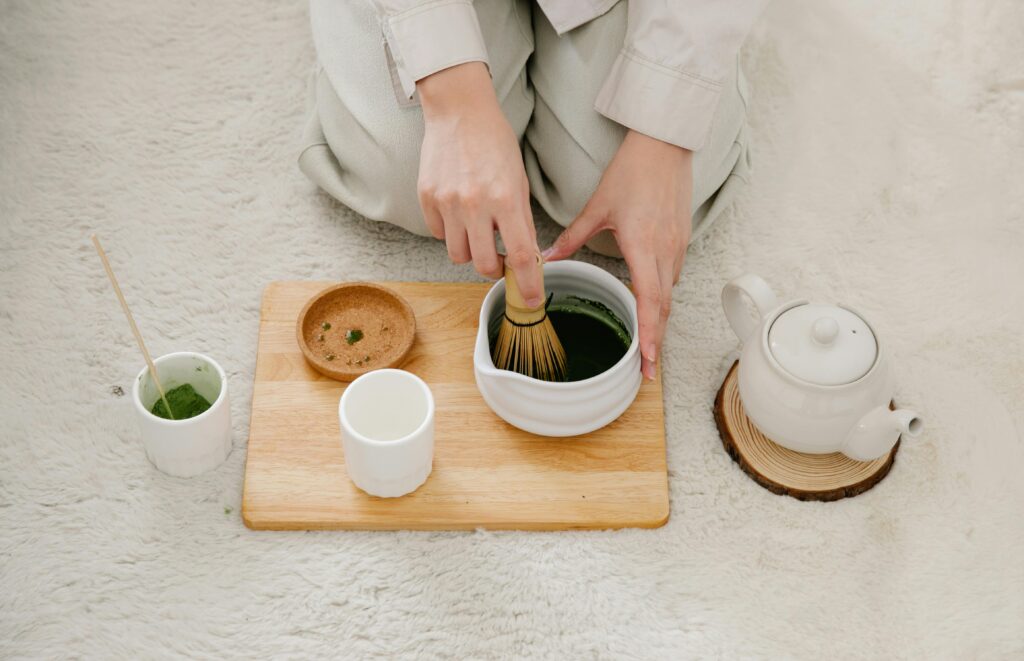
Matcha should be whisked quickly and consumed soon after preparation. Also, matcha powder will start to reach the bottom of your cup, resulting in uneven sips.
What About Cold Matcha
Cold brewing changes the extraction pattern completely.
In cold water (or room temperature water):
• phenolics extract slowly
• bitterness decreases
• L theanine, L glutamine, L glutamic acid and pyroglutamic acid continue to release over time
• the drink becomes sweeter and softer
• umami is present but the overall flavor becomes simpler
Cold brew is excellent for:
• lower grade matcha
• a refreshing drink with less sharpness
• a milder flavor profile
For high grade matcha, cold brewing increases sweetness but reduces complexity and aroma.
It is your choice. Chlorophyll extraction increases slightly in hotter water but cold water still pulls enough pigments to give a bright green color. So the color difference is not dramatic. The flavor is what changes most.
Note: Authentic matcha is not bitter. You may be experiencing low grade matcha or poor preparation conditions. Cold-whisked matcha is a solid choice when you would like to reduce the bitter taste, losing on complexity.
Some sources: https://doi.org/10.1002/jssc.201100401 , https://doi.org/10.1016/j.foodchem.2025.143788 , https://doi.org/10.3390/molecules24091735
Athanasios Gerasopoulos│ Chemist BSc., MSc. │ Tea Specialist│ Founder of Thessmatcha R&D