Ceremonial vs Culinary Matcha: Which One Is Right for You?

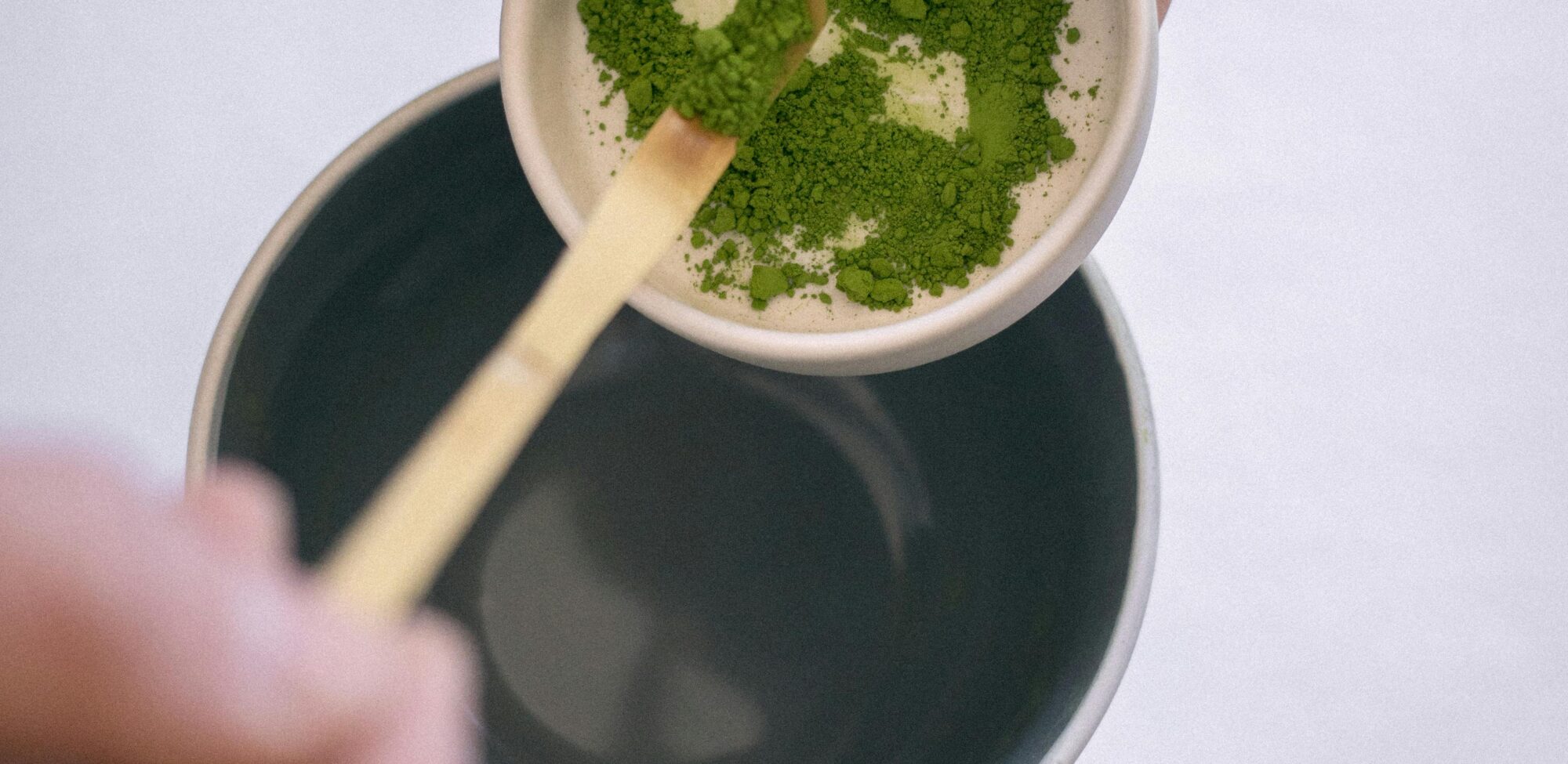
How is matcha grading defined?
Most matcha drinkers have heard that ceremonial grade matcha is healthier than culinary grade. Culinary matcha is often described as bitter, astringent, and rough in mouthfeel. The umami taste is usually absent, and the color is far from the deep, vibrant green people expect. All these characteristics can make it harder to drink on its own.
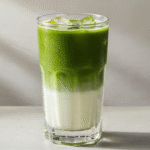
However, in a matcha latte, culinary grade matcha is often preferred (mostly by stores). Its stronger, more bitter taste balances well with the sweetness and fat content of milk (we generally recommend plant-based milks, since dairy can mute matcha’s flavor). If you can afford ceremonial grade matcha for you everyday latte, then choose it.
Does Higher Matcha Quality Mean More Health Benefits?
Well, instinctively yes. But let’s have a better look: Ceremonial grade matcha tea means that tea leaves are 1) Shaded properly 2) Young and tender 3) Picked up at the first flush in April 4) Milled correctly. All this careful treatment (we have an article on the website about shading) results in one of the most unique flavor profiles.
During shading, tea leaves are not stressed enough from the sun, resulting in more chlorophyll levels (green color), halting catechins formation rate (catechins like EGCG are antioxidants not only for us, but are produced as a response in plants to stress), increased amino acid levels (you should know L-Theanine, contributing to umami taste), and also caffeine levels.
So, is ceremonial grade healthier?
If you are still reading this article, its time to reveal that matcha tea quality depends on the purpose. On one hand we have complex umami taste, color, aroma (sensory attributes) that often defines a more premium matcha tea quality. On the other hand, culinary grade have more catechins and EGCG.
That is crucial to understand because in our everyday diet, EGCG is not so common (apples may have EGCG, but we need to consume its skin too). Green tea is an excellent source of catechins and EGCG that contribute to our overall health (i.e. antioxidant, anti-inflammatory, neuroprotective, anticancer, promotes intestinal health).
By consuming culinary grade matcha, you ingest more catechins. Aren’t catechins the main drivers of health benefits for matcha?
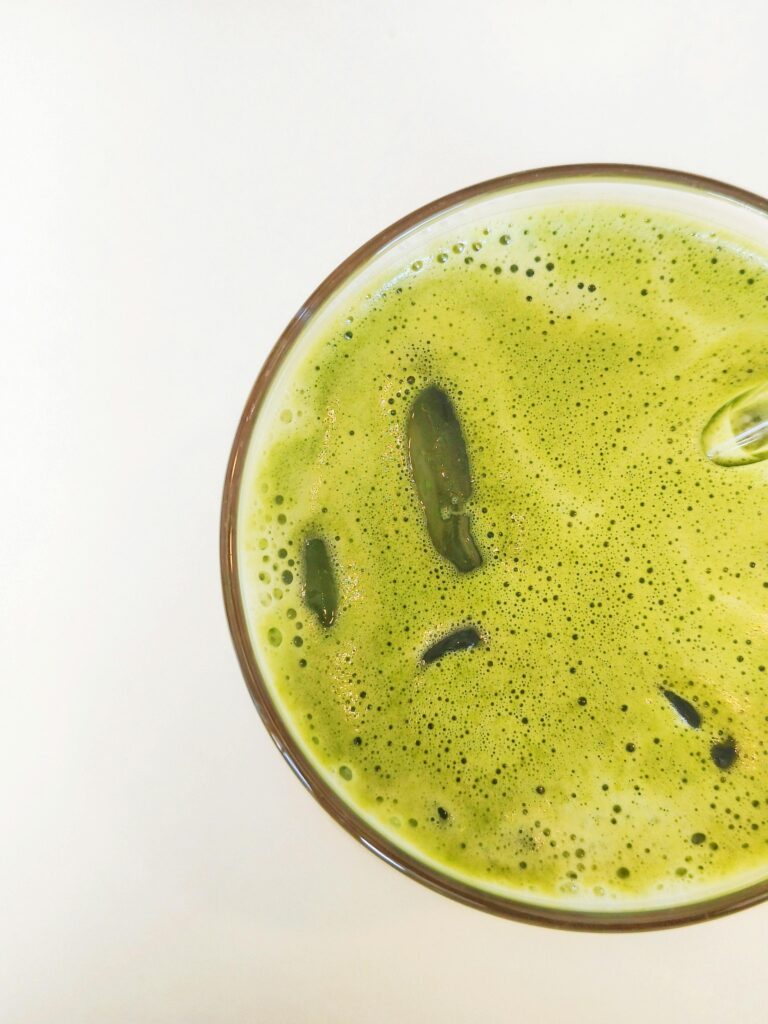
We should prefer culinary grade matcha?
It really depends on the purpose. Are you drinking matcha because you like the flavor profile? Are you drinking matcha to get energized? Are you drinking matcha because its trendy and you want to take an instagram picture? Or because its a great substitute for coffee? Or solely for its health benefits?
My opinion is that if you want to combine great taste with health benefits you should aim to consume ceremonial grade matcha. If you can handle the bitter taste of culinary grade matcha and you drink it solely for its health benefits, then culinary grade is for you. If you are unsure for your motives to drink matcha and you don’t care about taste, then culinary grade is for you. So, culinary grade as a rich source of catechins is what you need to remember.
Final thoughts and the magic of matcha
Traditionally, matcha was prepared for tea ceremonies-moments meant to cultivate presence, calmness, and inner peace. Its unique sensory profile is the result of centuries of refined craftsmanship.
When you choose ceremonial grade matcha-whether in a café or at home-take a moment to appreciate what you’re drinking. Notice the color, the aroma, the taste. Be grateful for the experience.
And if that’s not your style, choose culinary grade matcha or enjoy it as a latte-you’ll benefit from its catechins.