d:matcha Kyoto Opens Its 2027 Farm Internship (apply now!)

Ever daydreamed about swapping your desk for a matcha tea field in the Japanese countryside? Here’s a real chance. d:matcha Kyoto, a family-run organic tea farm in the mountain village of Wazuka, has opened applications for its 2027 internship, and the deadline is close: September 30, 2026.
- What the d:matcha internship actually involves
- The seasonal work, and what you’d learn
- Who the program is, and isn’t, for
- The costs, the living setup, and how to apply
About d:matcha and the program
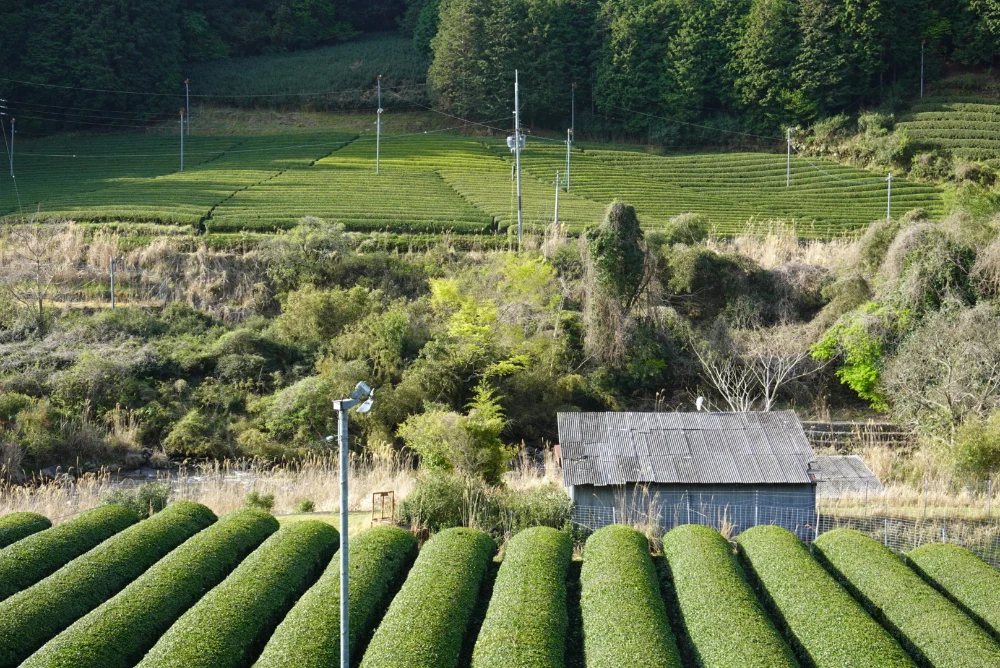
d:matcha Kyoto is a small, family-owned organic tea farm in Wazuka, in the south of Kyoto prefecture. The team pairs traditional Japanese tea craft with a modern, globally minded business, working to revive abandoned fields and keep the region’s centuries-old tea heritage alive.
The internship is a four-six week on-site immersion in the Yubune district of Wazuka. Interns work directly with the team across the whole business, and d:matcha is especially keen on people who might want to stay involved long-term rather than just passing through.
What the work looks like
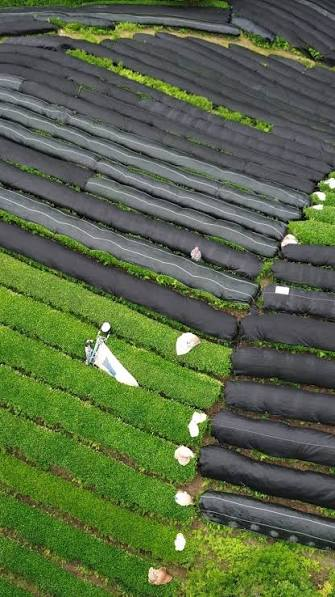
Days are hands-on and varied: farming, cafe hospitality, and packing products, with schedules shifting daily around the weather and the season. Because the team is small, everyone pitches in wherever they’re needed.
The rhythm changes through the year, too:
- March to May: the spring harvest, the busiest stretch for both farming and the cafe, moving into first-flush tea preparation.
- June to August: field maintenance, hand-weeding, and secondary summer harvests.
- September to November: autumn tours and tourism, the fall harvest, and prepping the fields for winter.
Along the way, interns get a close look at three things: operations (how a rural tea business runs day to day), craftsmanship (tea from cultivation through processing and brewing), and entrepreneurship (building a global brand from a countryside base).
Who it’s for, and who it isn’t
d:matcha is looking for proactive, self-directed people who learn fast, work well in a close team, and genuinely want to integrate into village life. Interest in eventually joining d:matcha full-time is a real plus.
They’re just as clear about who it won’t suit. This isn’t a slow-paced retreat, and it isn’t a place to build a personal brand or grow a social following. The work is real and often demanding.
A working immersion in rural tea country, not a wellness getaway.
Living in Wazuka
Wazuka sits deep in the countryside, so set your expectations accordingly. Public transport is very limited, and the town runs on a handful of local businesses: a few cafes and restaurants, one Lawson convenience store, a small grocery, and a butcher. For the right person, that’s exactly the appeal.
- Accommodation: a private room in a shared house, with communal kitchen and bathrooms.
- Meals: lunch is provided on workdays; other meals are self-catered.
- Weekends: two days off a week, with Nara (40 minutes), Kyoto City (80 minutes), and Osaka (90 minutes) all reachable.
The costs (read this part carefully)
One thing to be clear about: this is a voluntary, unpaid internship. There’s no program fee, but there’s no salary either, and interns cover their own costs, including:
- Round-trip flights and local transport to and from Wazuka.
- Travel insurance and any personal medication.
- Personal and discretionary spending.
So it’s best understood as an experience and a foot in the door, not a paid job. Worth budgeting for honestly before you commit.
How to apply
Applications are open now and close on September 30, 2026 at 11:59 PM JST. Candidates chosen for interviews can expect to hear back around early December. To apply, you’ll need to submit:
- Essay responses on how you’ve contributed to a community, your interest in tea, and your longer-term vision.
- A two-minute video introducing yourself and why d:matcha specifically appeals to you.
Applications go through d:matcha’s official internship page, which also links to stories from past interns if you want a feel for the experience first.
Conclusion
If a month of hands-on tea farming in the Kyoto hills sounds like your kind of thing, this is a genuine opportunity with a real deadline attached. Just go in clear-eyed about the trade-offs: it’s unpaid and self-funded, physically demanding, and set deep in the countryside. For the right person, that’s the whole point.
Details via d:matcha Kyoto’s internship page. Double-check the specifics on their site before applying, as dates and requirements can change.