Is Milk Tea Better Than Plain Tea?

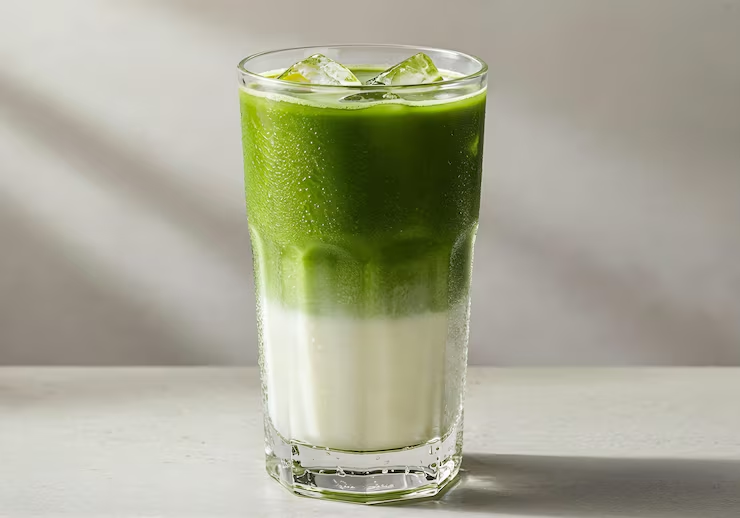
Tea is the second most consumed beverage in the world, after water. Some people drink it plain with hot water, while others prefer it with milk (like a matcha latte or milk tea). This has led to a very common question:
Is milk tea better than plain tea, or does milk reduce tea’s health benefits?
For years, milk was believed to block the absorption of tea antioxidants (catechins). However, recent scientific studies suggest the answer is more complex. Instead of asking whether milk tea is “good” or “bad,” research now focuses on where tea compounds act in the body.
This article explains what the science actually shows about milk, tea catechins, and bioavailability.
What Makes Tea Healthy in the First Place?
Tea contains polyphenols, namely catechins, with epigallocatechin-gallate (EGCG) being the most studied and the most biologically active one. These compounds are linked to many health effects, like antioxidant, antiinflammatory, neuro-, cardio-protective and gut modulatory ones.
However, studies consistently show that:
- Only a small amount of EGCG is absorbed into the bloodstream (LOW BIOAVAILABILITY)
- A large part of it passes through the digestive system and reaches the colon
- This makes the gut a key place where tea compounds may act
Because of this, how tea is consumed (with water, milk, or food) becomes very important.
What Happens When You Add Milk to Tea?
Dairy milk contains proteins (mainly caseins) that can bind to catechins, especially EGCG. This interaction has often been misunderstood. Plant-based milks also contain proteins and they are of higher fat content, resulting in similar binding.
What the studies actually show is that:
- Milk proteins bind catechins temporarily
- This can reduce the amount of free EGCG measured right after drinking tea (LOW BIOAVAILABILITY)
- Lower peak levels of EGCG in blood measurements
- But binding does not mean destruction
Recent reviews explain that milk proteins can protect catechins during digestion, rather than blocking them completely. There is still an on-going debate regarding the effect of milk in the bioavailability of catechins.
What About the Gut and Colon?
This is where it gets interesting.
According to recent science:
- Most EGCG is not absorbed in the small intestine
- A large fraction reaches the colon
- In the colon, EGCG interacts with gut bacteria and is transformed into other active compounds, promoting intestinal health
Milk could::
- Slow down digestion
- Protect catechins from early breakdown
- Increase the amount that reaches the colon
In vitro (“in a tube”, not in living organisms) digestion studies (including tea with oat milk) show that even when milk binds catechins early on, digestion releases them later. In some cases, milk improves intestinal bioaccessibility after digestion.
The Bottom Line
- Tea with water may be better for fast systemic exposure (HIGHER CATECHINS BIOAVAILABILITY)
- Tea with milk may favor gut and colon activity
- Current research does not support avoiding milk altogether
- Milk can provide better taste and texture. However, keep in mind that the calories intake is increased
If you enjoy tea with milk, current science does not suggest you are losing all benefits. It suggests the benefits may just happen in a different place in the body. Time will tell!
Athanasios Gerasopoulos Athanasios Gerasopoulos│ Chemist BSc., MSc. │ PhD cand. in Pharmacognosy│ Founder of Thessmatcha R&D