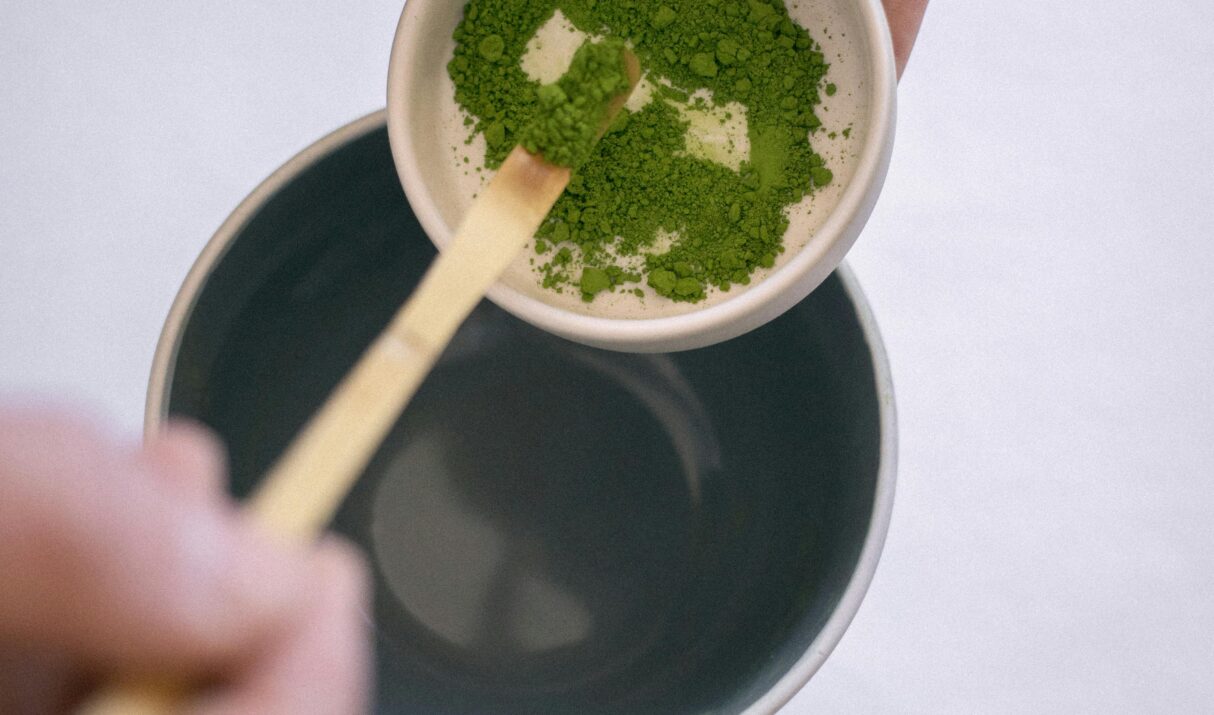

How is matcha grading defined? Most matcha drinkers have heard that ceremonial grade matcha is healthier than culinary grade. Culinary matcha is often described as bitter, astringent, and rough in mouthfeel. The umami taste is usually absent, and the color is far from the deep, vibrant green people expect. All these characteristics can make it
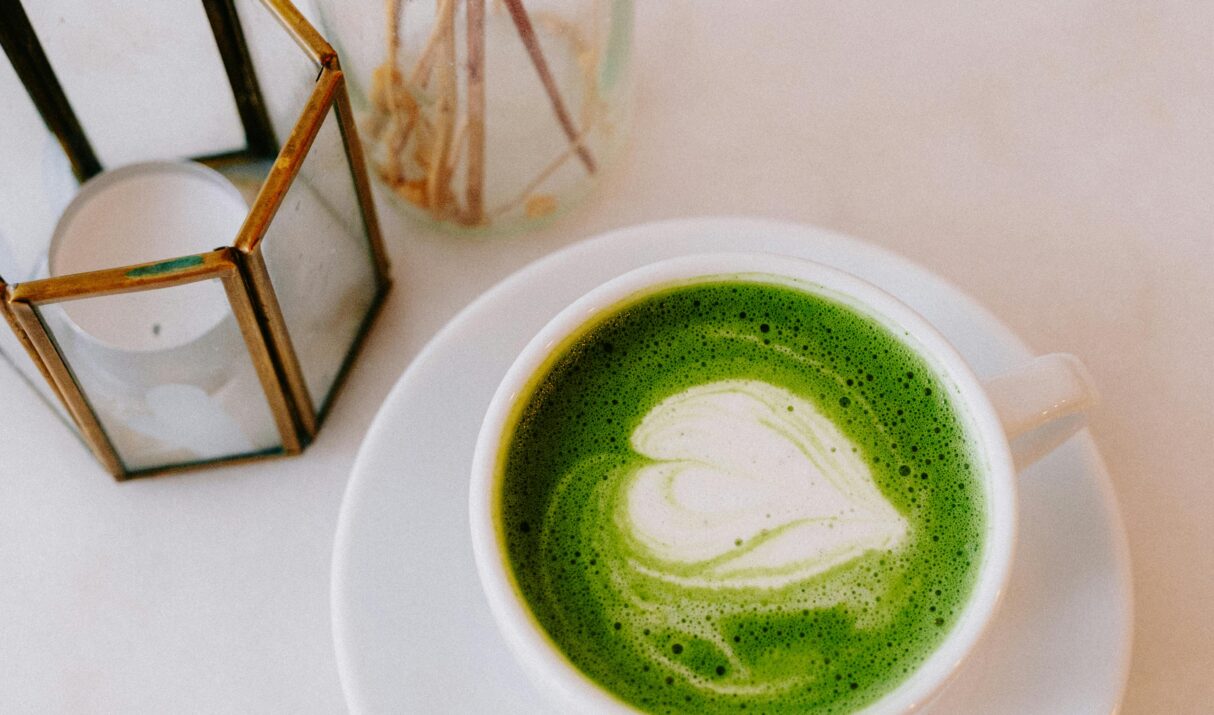
Most people assume matcha is supposed to taste bitter. It is not. Good matcha tea has natural sweetness, complexity, and an umami taste. When your matcha tastes bitter (bitterness dominates), something went wrong either long before the sip reached your mouth, or it’s your fault. In this guide, we break down the two factors that
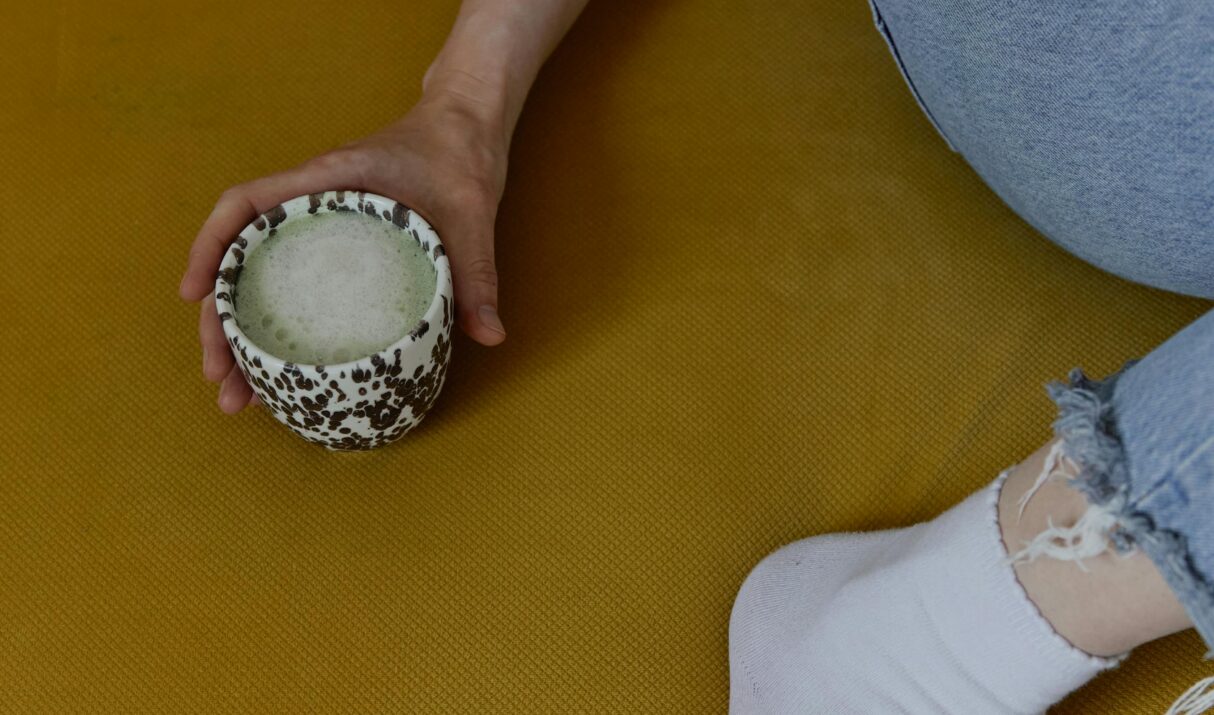
Matcha has a reputation for being “grassy” but this is a misunderstanding and usually a sign of poor-quality, low-grade, or improperly processed matcha.High-grade ceremonial matcha has a very different flavor + aroma profile, shaped by shading, grinding, and the chemistry of tea aroma molecules. Here’s what matcha smell and taste is supposed to be like