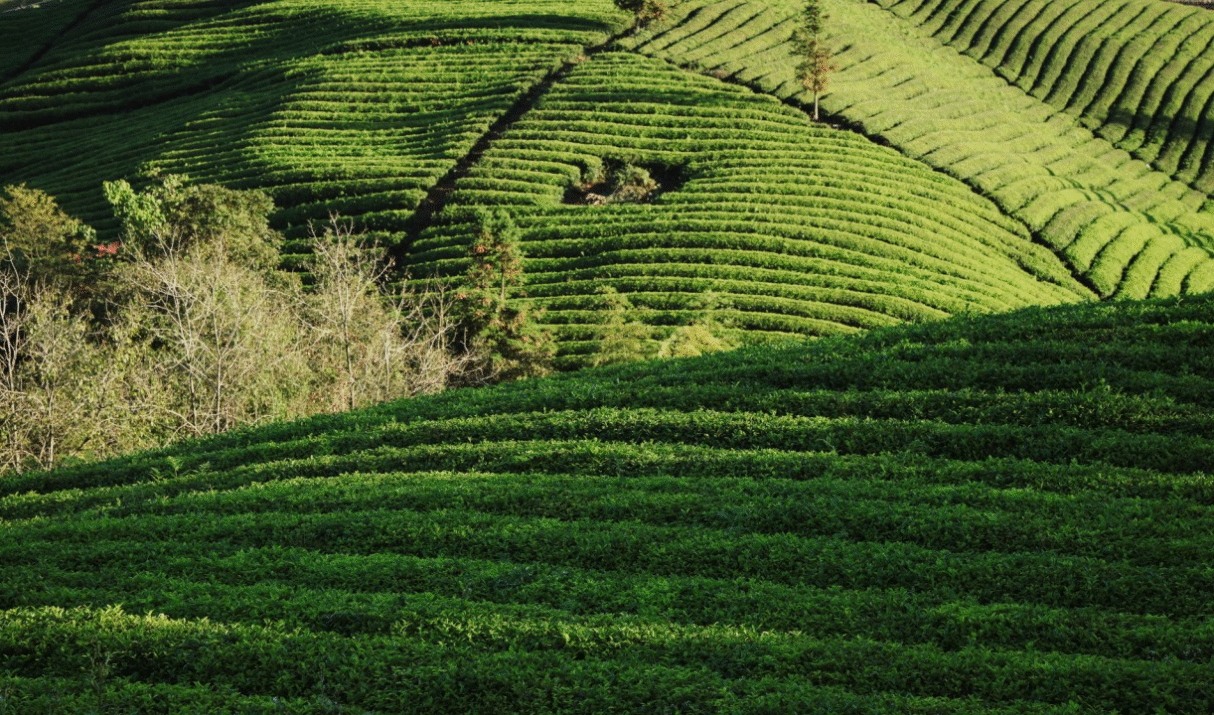

The matcha used to prepare your strawberry matcha latte is increasingly coming from China. In 2025, China became the world’s largest matcha producer and, for the first time, overtook Japan in matcha exports. Much of that momentum traces back to one mountainous province: Guizhou. China is now the top producer According to the 2026 China
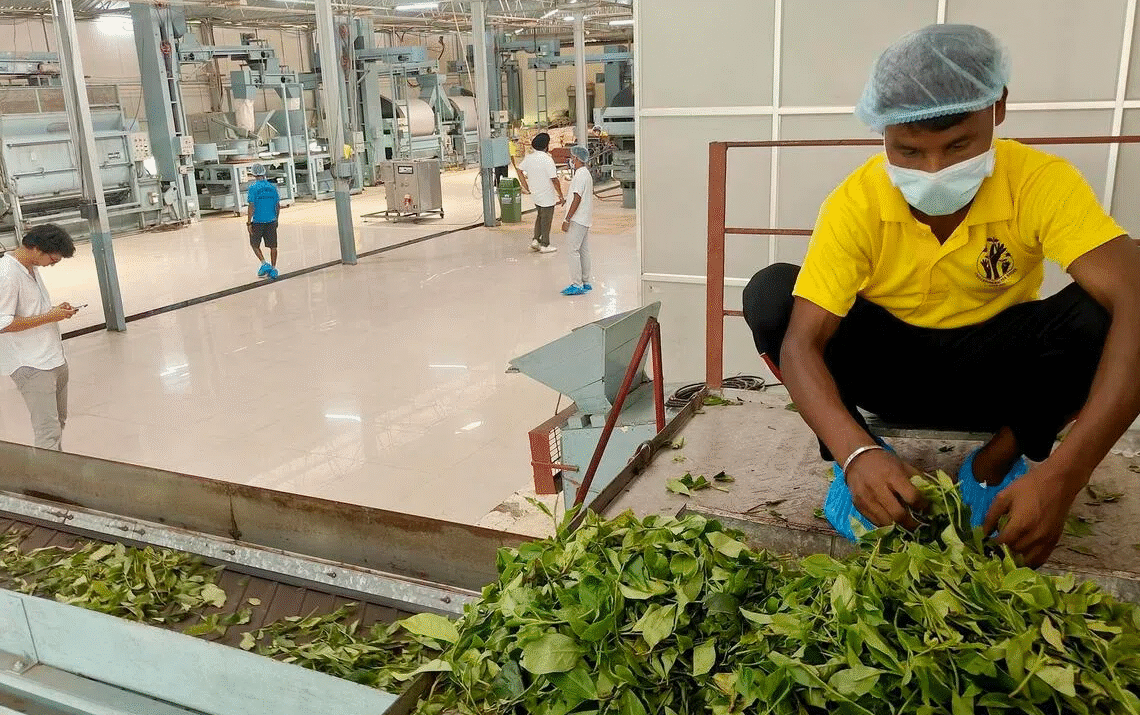
For years, “matcha” basically meant “Japan”, with China being now the largest producer and exporter. That’s a full stop. In mid-2026, a tea estate in Assam, India, sold the country’s first-ever commercial batch of matcha, made from a local plant and tuned to be smoother and less bitter than the Japanese original. India joins a
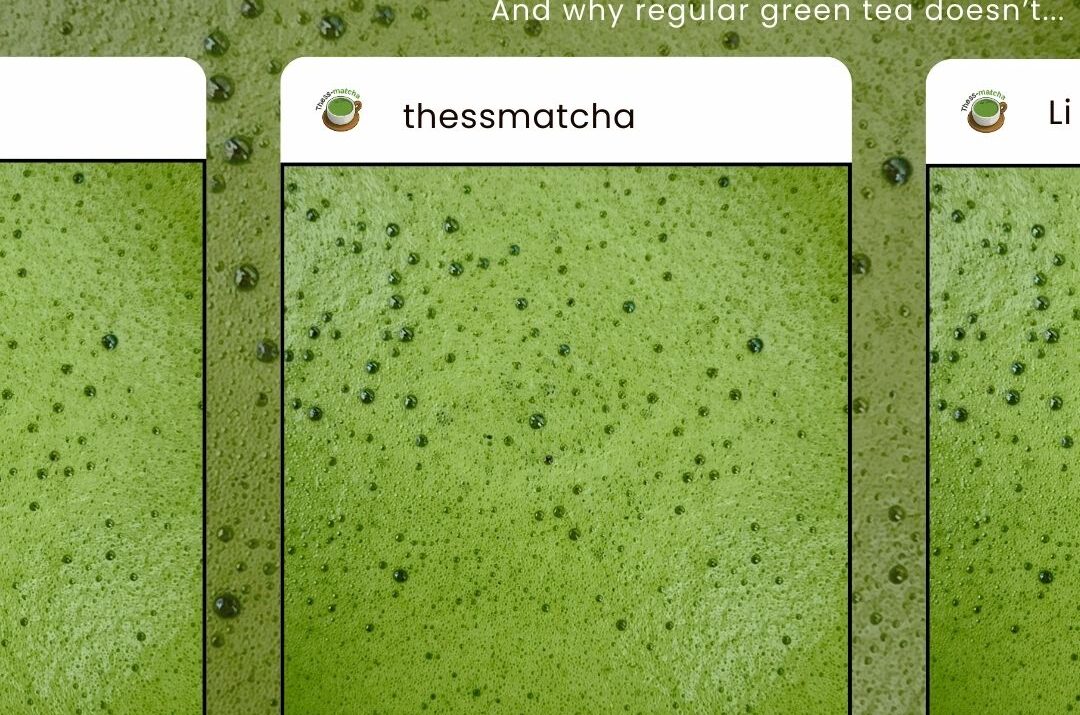
One of the most iconic parts of preparing matcha is the creamy green foam that rises to the surface as you whisk. From the Japanese tea ceremony to modern matcha lattes, this frothy layer signals quality and tradition. But why does matcha foam so well, while a regular cup of green tea doesn’t foam at
Picture this: you’re whisking up your usual cup of matcha. The color is vibrant green, the aroma is earthy and fresh, and that mellow, slightly sweet umami taste is just right. But what if you discovered that the matcha you’re drinking could taste completely different—even though the production process was the same? That’s exactly what
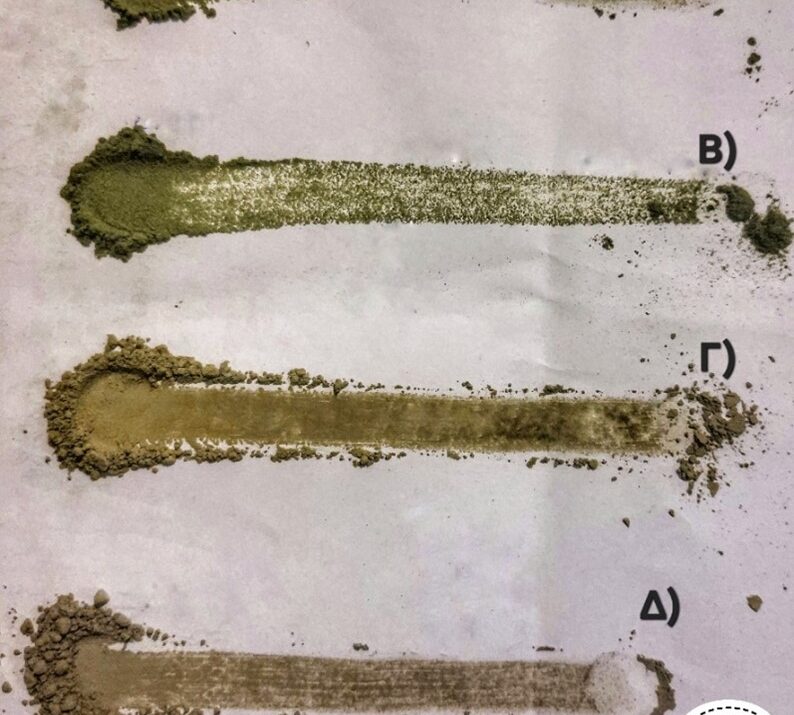
Matcha: the most viral beverage of recent years is gaining an increasing number of consumers in the Greek market! But how can we distinguish quality from price? Discover the secrets of good quality Matcha, from the intense green color and the “umami” flavor to the ideal granulation. We examined various Matcha powders available in the Greek market, and the results will surprise you! Are you ready to find the best option for you? Read more to learn how to choose the perfect Matcha powder!