Meet “Matcha assamica,” India’s First Homegrown Matcha

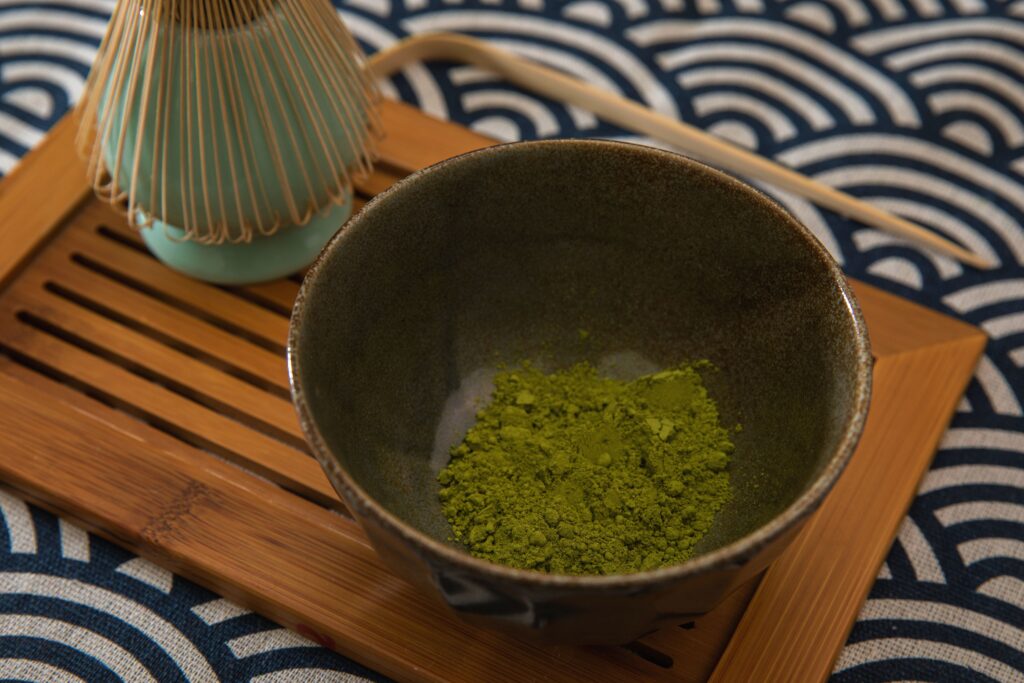
For years, “matcha” basically meant “Japan”, with China being now the largest producer and exporter. That’s a full stop. In mid-2026, a tea estate in Assam, India, sold the country’s first-ever commercial batch of matcha, made from a local plant and tuned to be smoother and less bitter than the Japanese original.
- Why an Assam tea estate started producing matcha
- How Indian “Matcha assamica” tastes next to Japanese matcha
- How it’s made, from fresh leaf to powder
- Whether it’s worth trying
India joins a very short list
Nearly all the world’s matcha comes from Japan, with only a handful of other places (China, Taiwan, South Korea and Vietnam) producing it at all. India has now joined that short list.
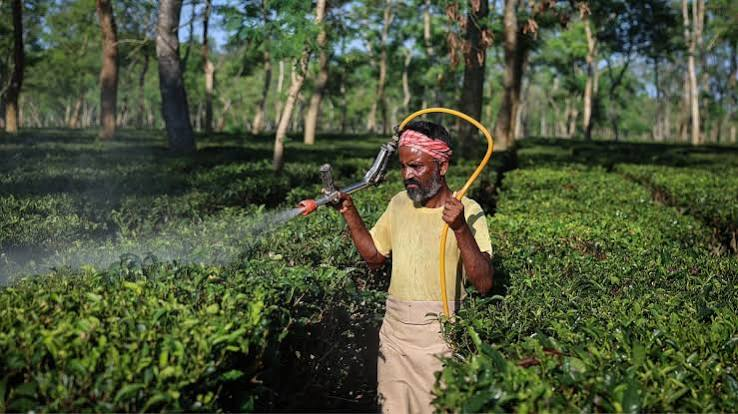
The estate behind the milestone, Chota Tingrai, is a nearly 90-year-old garden run by the Jalan family, tea growers since the 1920s and now in their fourth generation. For a country built on bold black tea and milky masala chai, a bright green Japanese-style powder is a real departure.
Why an Indian estate is making matcha now
Global demand for matcha has surged in recent years, lifting prices and drawing in growers well beyond Japan. India has its own appetite too, with matcha turning up in lattes and even traditional sweets. Domestic demand is projected to reach around US$167 million by 2030.
Meanwhile, India’s black-tea industry has been squeezed by ageing bushes, rising costs, erratic weather and cheap imports, so estates are hunting for higher-value products. Chota Tingrai ran an experimental batch back in 2017 and committed to commercial production in 2026.
A smoother, less bitter style
This is the part that matters most if you drink matcha regularly. The Jalans aren’t trying to copy Japanese matcha. They chose a local plant variety with high amino-acid content and a rich green colour, then worked to tame the bitterness that suits black tea but not matcha.
The result is less astringent, slightly sweeter and smoother, which makes it easier to enjoy on a first try. Top Japanese matcha, by contrast, carries a strong umami (that savoury depth) and a grassy punch that newcomers sometimes struggle with.
The makers are careful with their branding, calling it “Matcha assamica” to signal it’s its own product rather than a substitute. As they see it, recreating Japan’s matcha in Assam would be like Japan trying to make masala chai: you’d get something, but not the same drink.
How it’s actually made
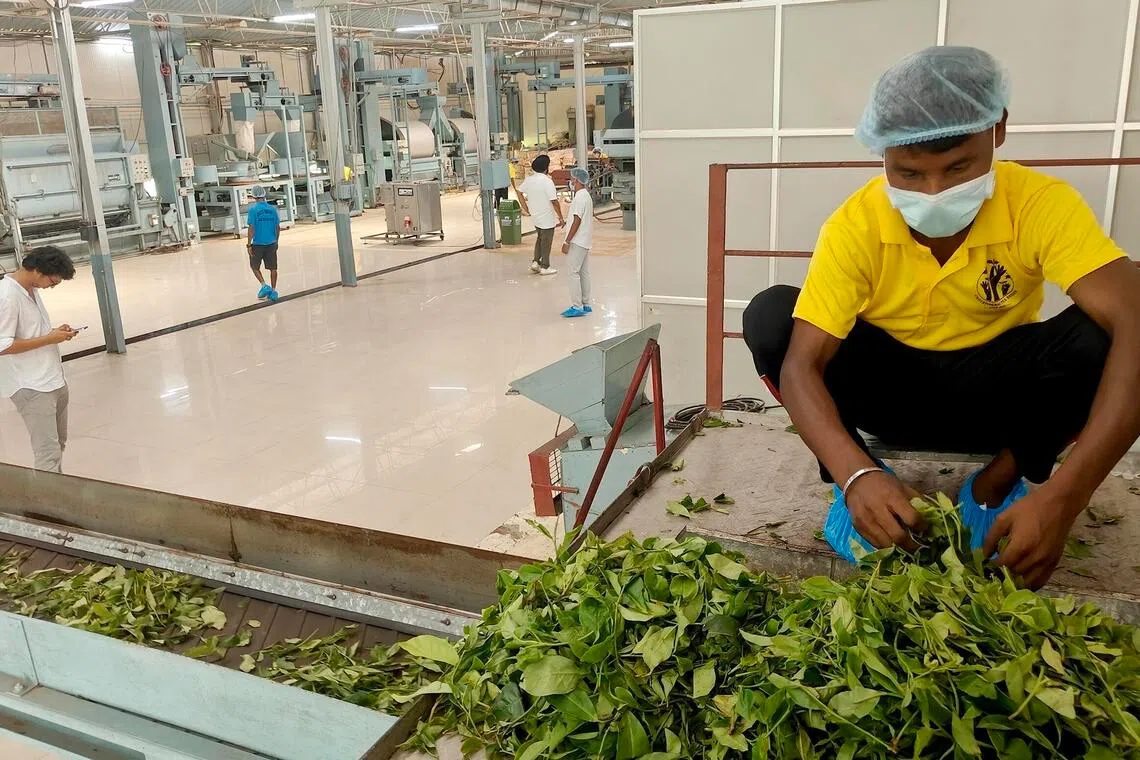
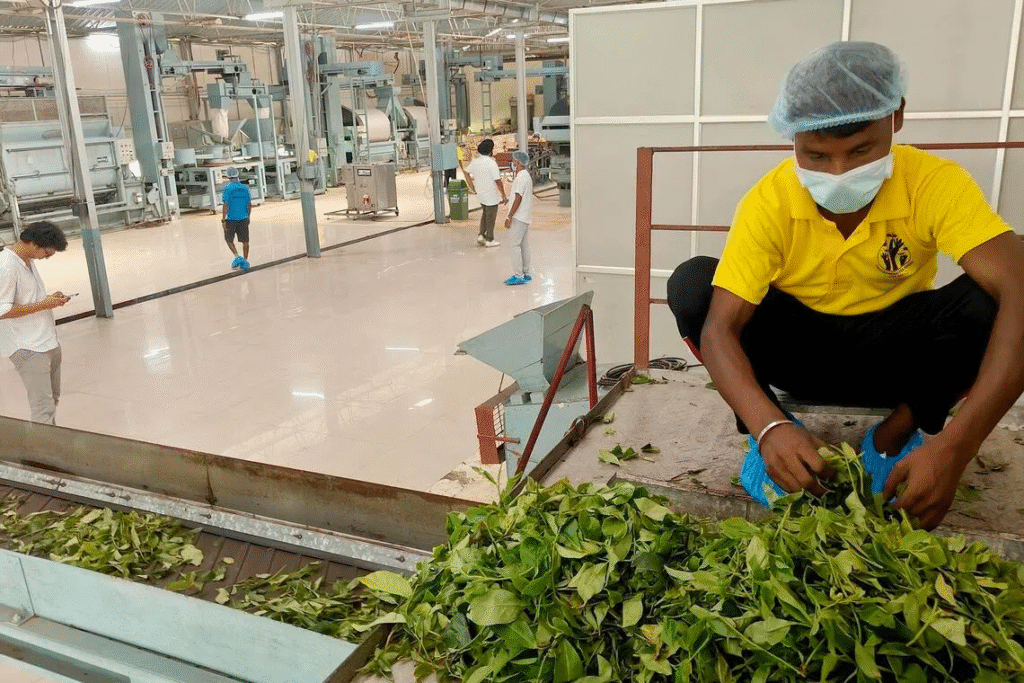
Fresh leaves are steamed to soften the bitterness, then slowly dried over several low-heat cycles while being rolled, which protects the colour and antioxidants. The dried leaf, known as tencha, rests overnight before being milled for more than 12 hours into a fine powder. The whole process runs on Japanese machinery adapted for Assam’s leaf, with a Japanese tea consultant guiding the setup.
A lighter, approachable matcha: its own thing, not a stand-in for a Japanese ceremonial grade.
Conclusion
It’s early days: the estate made only around 250kg in 2026, aimed first at export markets like the US and Europe, so it may take time to reach shelves near you. But a smoother, non-Japanese matcha is genuinely useful for anyone who’s found traditional matcha too intense, and for a market that badly needs more supply as prices keep climbing. If you spot Matcha “assamica”, try it on its own terms: a lighter entry point, not a replacement for the Japanese classic.