China Is Now the World’s Top Matcha Tea Producer

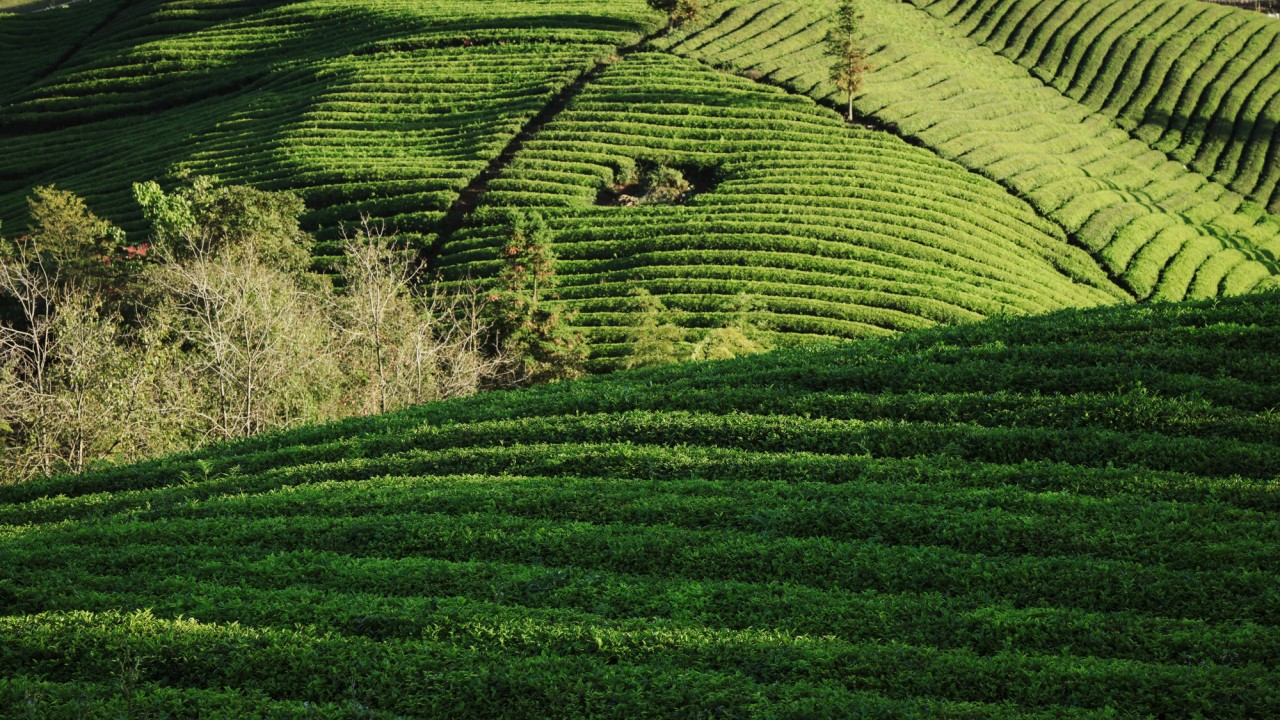
The matcha used to prepare your strawberry matcha latte is increasingly coming from China. In 2025, China became the world’s largest matcha producer and, for the first time, overtook Japan in matcha exports. Much of that momentum traces back to one mountainous province: Guizhou.
- How China became the world’s biggest matcha producer
- Why Guizhou’s mountains suit matcha
- The scale of the Tongren and Guicha Group buildout
- The “eating tea” trend putting matcha into food
- Where China still trails Japan
China is now the top producer
According to the 2026 China Matcha Industry Development Report from the China Tea Circulation Association, global matcha production reached 17,600 tons in 2025, a market worth more than US$4.7 billion. China accounted for over 12,000 tons of that, close to 70% of world supply, and its exports passed Japan’s for the first time to rank first globally.
That’s a real shift in the matcha map. Japan is still the name most people associate with matcha, but the raw volume is now overwhelmingly Chinese.
Why Guizhou
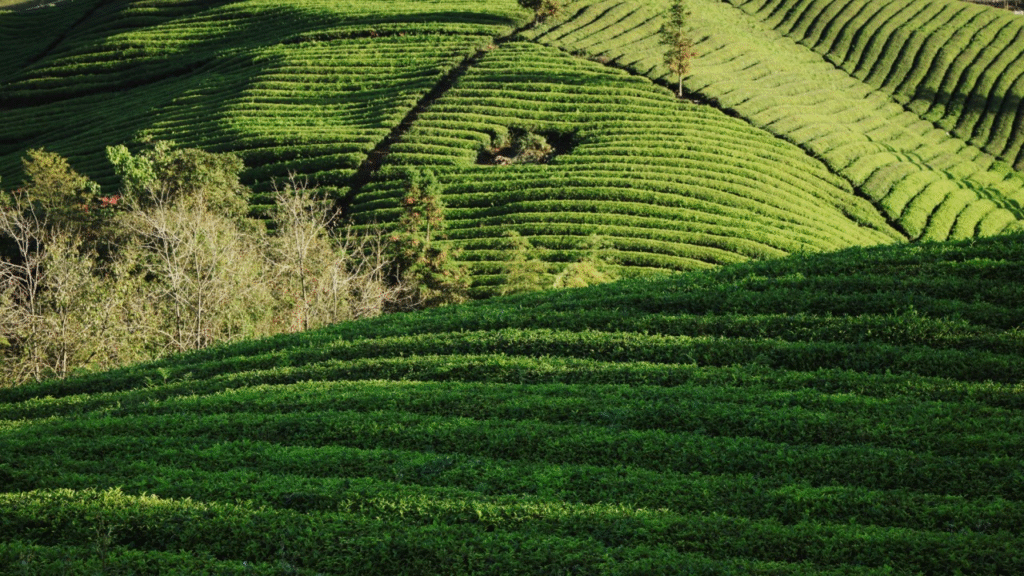
Guizhou’s mountains give it natural advantages: low latitudes, high altitude, frequent cloud and fog, steady rainfall and a mild climate, all of which suit tea plants well.
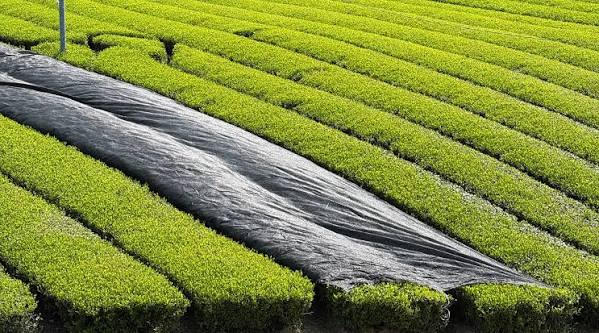
But good ecology is only the starting point. Matcha isn’t simply green tea ground into powder. The plants need special care, including shade-growing before harvest, and the leaf then goes through milling, refining and grinding to become a fine powder. Because you consume matcha whole, dissolved in your cup rather than steeped and thrown away, the bar for raw-material safety and consistent processing is much higher. For Guizhou, with its established base of ecological tea gardens, matcha offered a natural next step, and a reason to standardize.
Tongren and the Guicha buildout
The center of gravity is Tongren, in northeastern Guizhou. By the end of 2025 the city had built an 85,000-acre core base of Fanjing matcha (named for nearby Mount Fanjing), produced more than 2,500 tons, and shipped to 54 countries and regions. That year, Tongren ranked first in China and second in the world for matcha production and sales.
The scale-up is aggressive. Guicha Group, based in Jiangkou County, now sources matcha from around 180,000 acres across 46 Guizhou counties, and is aiming for roughly 200,000 acres of dedicated matcha gardens by early 2027. Chairman Meng Zude expects the company’s 2026 matcha sales to top 5,000 tons, with a target of about 10,000 tons of capacity within two to three years.
From drinking tea to eating tea
Part of what’s fueling all this is a change in how people use matcha. It’s no longer just whisked into a drink. Matcha powder now goes into milk tea, coffee, baking, ice cream and chocolate, turning tea from a beverage into a food ingredient. That, plus the global appetite for healthy eating and photogenic new tea drinks, has helped push matcha from a regional specialty to a worldwide symbol.
Companies are leaning into that shift directly. In late August 2026, Guicha Group ran a livestream from its Tongren production base, walking viewers through the whole matcha-making process from garden to finished product, part sales channel and part behind-the-scenes education.
“Matcha is about eating tea,” says Guicha Group chairman Meng Zude.
Where China still trails Japan
Volume isn’t everything. China leads on scale and supply-chain efficiency, but Japan still dominates the high end and owns the cultural story matcha is built on. Meng Zude is candid that the brand-building work ahead is significant.
The open question is whether China’s industry can move from being the world’s biggest supplier to building recognized brands, helping overseas drinkers understand the ecology, quality and culture behind each region rather than treating matcha as a generic ingredient. Guizhou is investing on that front, folding matcha into tourism, culture and experience stores, and pushing variety breeding, quality standards and product development.
Conclusion
For anyone who drinks matcha, the takeaway is simple: a lot of the world’s matcha now comes from China, and from Guizhou in particular, even when it isn’t labeled that way. That means more supply and more affordable options sitting alongside Japan’s premium, tradition-led grades. Knowing where your matcha comes from, and what standards sit behind it, is becoming part of being an informed drinker.
